





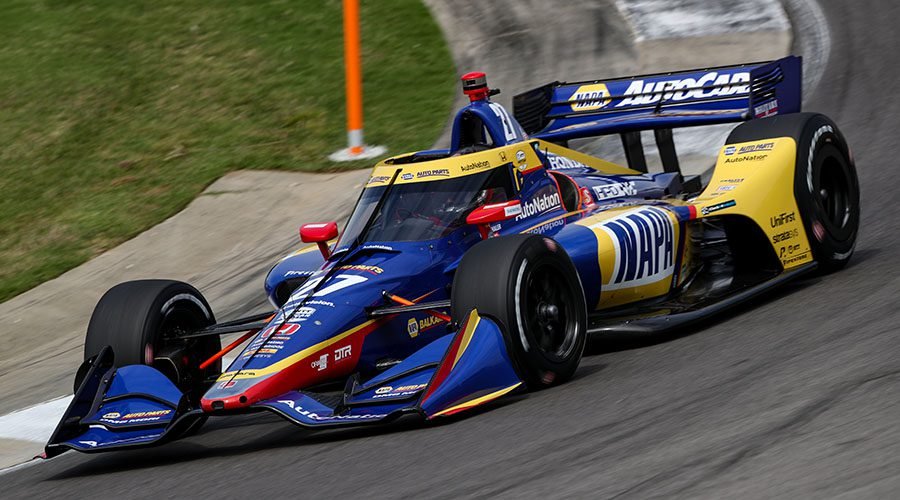
Unwinding Off the Track
After the adrenaline rush of the race, many fans and racers look for ways to relax and recharge. One popular way to enjoy a bit of downtime is through light online entertainment. For those who enjoy casual games, exploring a casino bonus can add a little extra thrill to your off-track experience—just be sure to play responsibly.
Racing isn’t just about speed and skill. To be a top driver, you need a strong mindset and mental resilience. The psychology of racing plays a crucial role in a driver’s success on the track. From focus and decision-making to handling pressure, top drivers master these mental skills to stay ahead. Let’s explore the key psychological traits that define a successful racer.
Mental Toughness and Resilience
Mental toughness sets top drivers apart from the rest. Racing is intense, with high speeds, tight corners, and split-second decisions. Drivers must stay calm and composed, even under extreme pressure. Mental resilience helps them bounce back from mistakes, crashes, or setbacks. They don’t dwell on failures; instead, they learn and move forward. This mental strength allows them to maintain confidence, no matter the challenge.
Finding Information and Exploration
Atodamakina is a resource dedicated to gathering and sharing information across various technical and professional fields. You can find more details on digital entertainment platforms on this page.
Focus and Concentration
Focus is vital in racing. Drivers must concentrate fully on the track, their car, and their opponents. A single lapse in concentration can lead to mistakes or accidents. Top drivers train their minds to block out distractions and stay present. They remain aware of every detail, from tire grip to the sound of the engine. This intense focus helps them make quick, accurate decisions, especially in high-pressure moments.
Quick Decision-Making
Racing requires rapid decision-making. Drivers often face situations where they need to react instantly. A split-second decision can mean the difference between winning and losing. Top drivers excel at processing information quickly. They evaluate risks, predict opponents’ moves, and choose the best action in a blink of an eye. This quick decision-making ability comes from experience, practice, and a deep understanding of the sport.

nfidence and Self-Belief
Confidence fuels performance on the racetrack. Top drivers believe in their skills, strategies, and decisions. They trust their instincts and don’t second-guess themselves. This self-belief helps them push boundaries and take calculated risks. Confidence also affects how they handle pressure. Drivers who believe in their abilities stay calm under stress, while doubt can lead to hesitation and mistakes.
Digital Culture and the Need for “A Toda Makina” Pace
In the world of modern digital media and high-tempo entertainment, creators must operate “a toda makina” to keep audiences engaged with fresh content and non-stop energy. The constant demand for real-time thrills dictates the speed of cultural production, driving everything from viral news segments to electrifying live broadcasts. This intense focus on instant, high-energy engagement captures the modern zeitgeist perfectly. For those seeking the ultimate live-action experience and suspense, that same immediate energy can be found at the stellar spins live dealer casino.
Managing Pressure and Stress
Racing is a high-stakes environment filled with pressure. Drivers face the stress of competition, expectations, and potential dangers. Managing this pressure is crucial to staying focused and performing well. Top drivers use various techniques to manage stress, such as deep breathing, visualization, and positive self-talk. These methods help them stay calm, composed, and ready to perform at their best.
Discovering the Kingjohnnie Casino Online Experience
Finding a reliable online casino platform is crucial for a secure and enjoyable entertainment experience. A comprehensive platform offers a wide range of games and secure transactions. For a well-rounded online casino experience, explore kingjohnnie casino online. This site provides diverse gaming options and a safe environment. It allows users to explore various online games and enjoy a premium experience.
Industrial Equipment & Business Solutions
AtoDa Makina clients explore industrial machinery and manufacturing solutions. For downtime planning, newzealandcasinos provides curated entertainment resources. Combining work efficiency with structured leisure supports a balanced professional lifestyle.
The Importance of Visualization
Visualization is a powerful tool in racing psychology. Drivers mentally rehearse their laps, corners, and overtakes before hitting the track. This mental practice helps them prepare for different scenarios and build confidence. By visualizing success, drivers can improve their focus and reduce anxiety. They see themselves executing perfect maneuvers, which translates into better performance during the race.
Adaptability and Flexibility
Racing conditions can change rapidly. Weather, track conditions, and car performance can vary from lap to lap. Top drivers adapt quickly to these changes. They stay flexible in their strategies and adjust their driving style as needed. This adaptability helps them maintain a competitive edge, even when facing unexpected challenges.
Commitment and Passion
Racing requires a high level of commitment and passion. Top drivers dedicate countless hours to training, both physically and mentally. They continuously seek to improve, learn from each race